From Secretary's Desk

  • Home
  • Secretary's Desk
Image

For over four decades, Tauheedul Muslimeen Trust (TMT) has remained steadfast in its commitment to advancing education for the underprivileged. The modest yet meaningful progress we have made over these years stands as a testament to the vision and dedication of our founder, Padma Bhushan Dr. S. Kalbe Sadiq, and his fellow co- founders. Their legacy continues to inspire our journey as we pursue the goals of quality education and holistic student development.

At TMT, we firmly believe that meaningful transformation in education cannot be achieved in isolation. Collaboration and networking with like-minded individuals and organisations are vital for sharing experiences, learning from one another, and replicating proven practices. Through collective effort, we aspire to nurture students who are intellectually competent, morally upright, and emotionally resilient—young minds prepared to meet the demands of an increasingly competitive world.

With this belief, I am pleased to present in this year’s report a working plan developed by TMT to promote employability-driven, concept-based education. The initiative aims to enhance learning outcomes, integrate employability skills, and cultivate student awareness to better prepare them for the evolving challenges of the modern workplace.

We recognise that despite our sustained efforts, TMT’s journey remains one of continuous learning and refinement. As an organisation, we remain open to collaboration, innovation, and constructive feedback. We invite educators, institutions, and individuals dedicated to student development to review, adapt, and implement the strategies outlined in this plan—because improving educational outcomes is no longer a choice, but an urgent necessity in the face of rapid global change.

The Real Challenges in Today’s Education

Various national studies and reports paint a concerning picture—over half of Indian children aged ten struggle to read or comprehend age- appropriate texts, with the challenge being particularly acute in states such as Uttar Pradesh and Bihar. According to the ASER report, barely half of Class 5 students can read a Class 2-level text, and fewer than one-third are able to solve basic arithmetic problems.

The secondary school dropout rate hovers around 11%, while failure rates in several state board examinations remain considerably higher than those in national boards

The scenario becomes even more competitive in professional education, where only a minuscule fraction of aspirants succeeds in gaining admission to courses such as medicine, engineering, law, or civil services—success rates in some national-level entrance exams are as low as 0.1%.
These realities underscore the urgent need for reform. At TMT, we view education not merely as a means of academic success but as a comprehensive process aimed at equipping students with the knowledge, skills, and values required to lead meaningful and productive lives. Our approach to employability-driven holistic education seeks to balance intellectual, moral, physical, and emotional development, transforming students into confident, competent, and compassionate individuals.

Holistic Growth Through Balanced Education

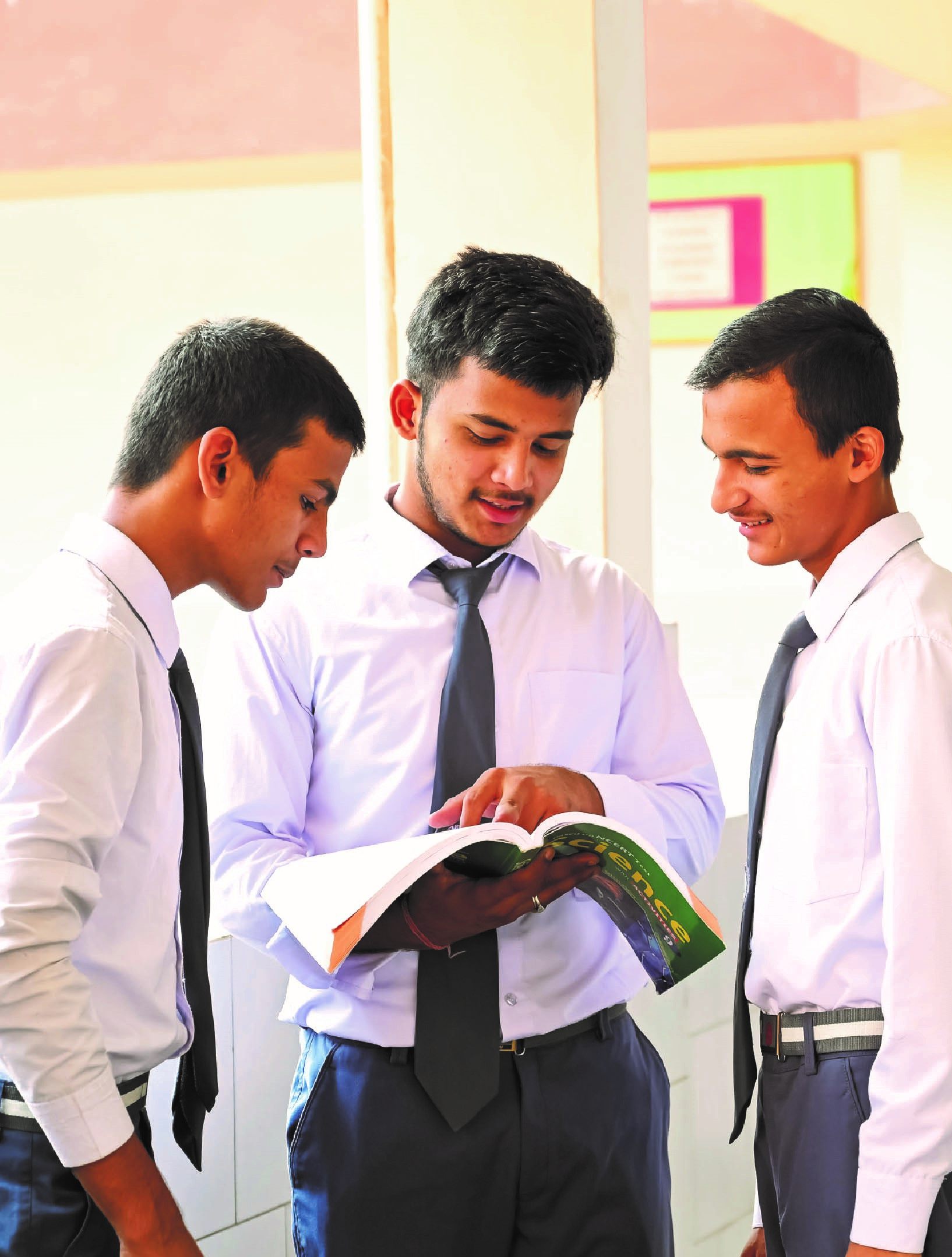
Holistic development is achieved through a multi-dimensional framework that combines quality academics, moral training (Tarbiyat), sports, extracurricular activities, and healthy competition. We strive to deliver a curriculum that builds conceptual clarity, replaces rote memorization with understanding, and integrates moral and spiritual guidance to shape character and discipline. Students are encouraged to engage actively in physical education, creative pursuits, and inter-school competitions that foster teamwork, leadership, and resilience.

Our Efforts – Making Education Meaningful

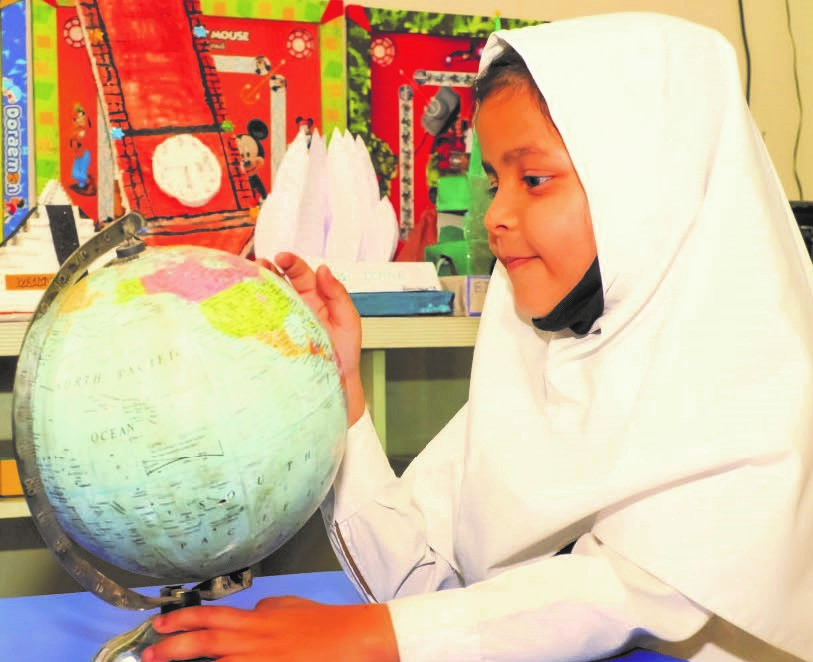
Academically, our efforts are directed toward strengthening the teaching-learning process. We have introduced student-centered, interactive methodologies and conduct regular teacher training to enhance classroom effectiveness. At different stages of schooling, the focus varies—from play-based literacy at the pre-primary level to communication and scientific reasoning at the primary level, and from rigorous subject mastery in secondary grades to career-aligned preparation at the senior secondary stage.

A crucial element of our educational approach is the integration of employability skills within the curriculum. From an early age, students are exposed to computer literacy, communication training, and personality development programs. Career counseling is initiated from Grade 7 onward, helping students make informed choices based on their interests and aptitude rather than societal pressures. Our career guidance team, assisted by external mentors and professionals, conducts sessions, field trips, and motivational interactions to broaden students’ horizons and encourage them to pursue their goals with clarity and confidence. Students are also guided to explore entrepreneurship and prepare for competitive examinations for various government and professional roles.

This integrated model aims to create well-rounded individuals—those who are intellectually capable, morally grounded, emotionally balanced, and professionally ready to face the challenges of the future. Yet, as experience reminds us, the journey from planning to execution is never easy. While formulating a development plan is relatively straightforward, implementing it within a set timeline has proven to be an ongoing challenge. Development is a gradual process that demands patience, perseverance, and collective effort.

Among the major challenges we continue to face are changing the mindsets of students, teachers, and parents who are often hesitant to move out of their comfort zones; correcting the bias that places science above humanities and commerce; and combating the social stigma that undervalues vocational education. Another persistent issue is discouraging students from seeking degrees from substandard institutions that offer little real value. Additionally, finding sincere, committed, and skilled professionals willing to contribute selflessly to educational reform remains a significant difficulty. The cultivation of time management and discipline, along with navigating administrative and bureaucratic hurdles, adds further layers of complexity to our mission.

However, these challenges do not deter us. On the contrary, they serve as reminders of the realities we must face and overcome through resilience, teamwork, and faith in our shared purpose.

As I conclude this report, I bow in gratitude to the Almighty, the Most Merciful, for blessing us with the strength, opportunity, and guidance to continue this noble mission. I extend heartfelt appreciation to our dedicated staff, whose unwavering commitment drives every initiative; to our donors and well-wishers, whose generosity sustains our efforts; and to all stakeholders who believe in our vision. Their faith and support remain the cornerstone of Tauheedul Muslimeen Trust’s enduring journey toward educational and social upliftment
Kind regards and best wishes

Najmul Hasan Rizvi